


Automated Large Wheel Tracker – 77F


logo-vectra logo-mlpc EN 12697-22

 
Test methods for determining the susceptibility of bituminous materials to deform under load.
Level 2 of the French Mix Design procedure.


MTQ LC 26-410
NF P98-253-1
CSA Qualification


Request information

Description

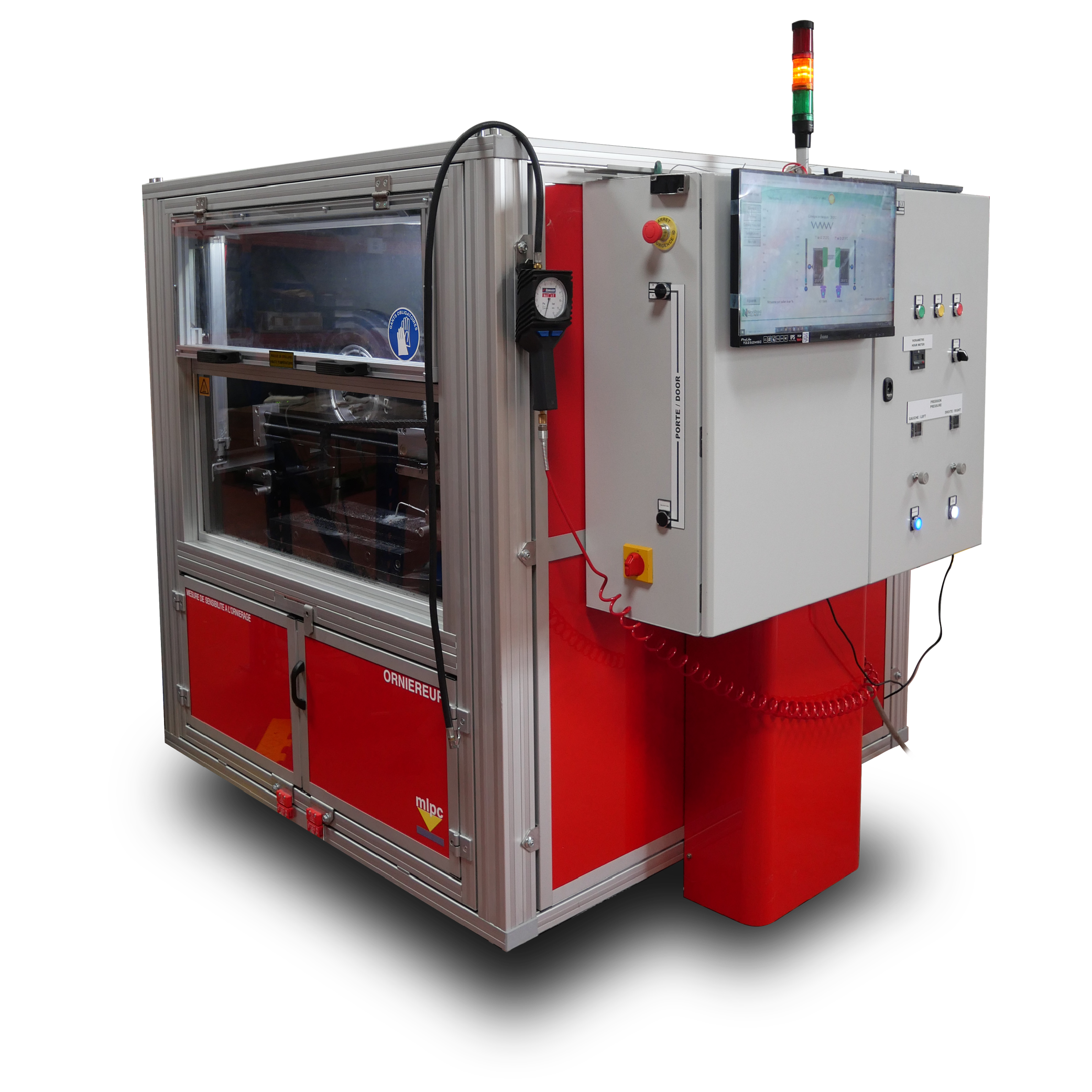
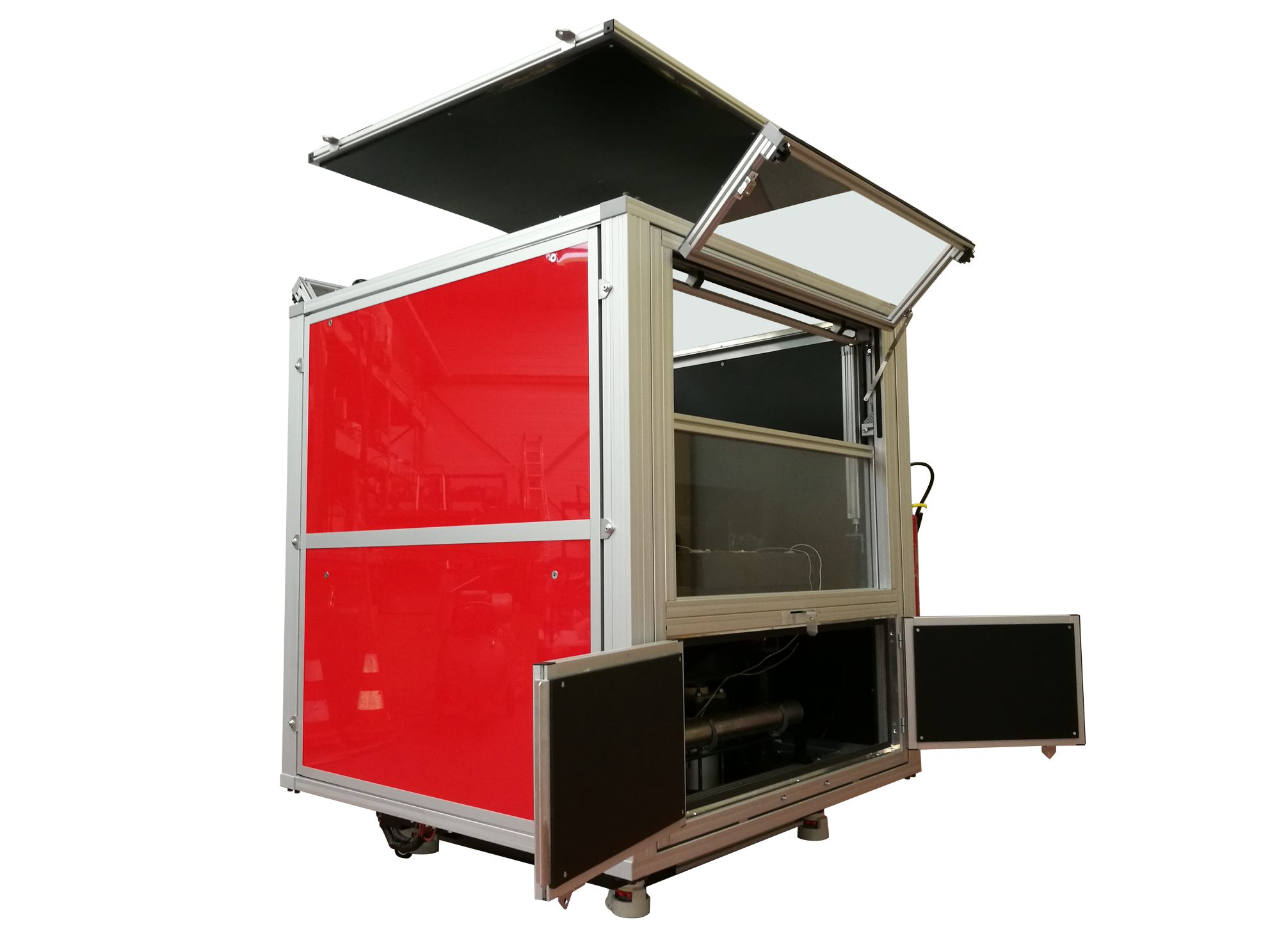
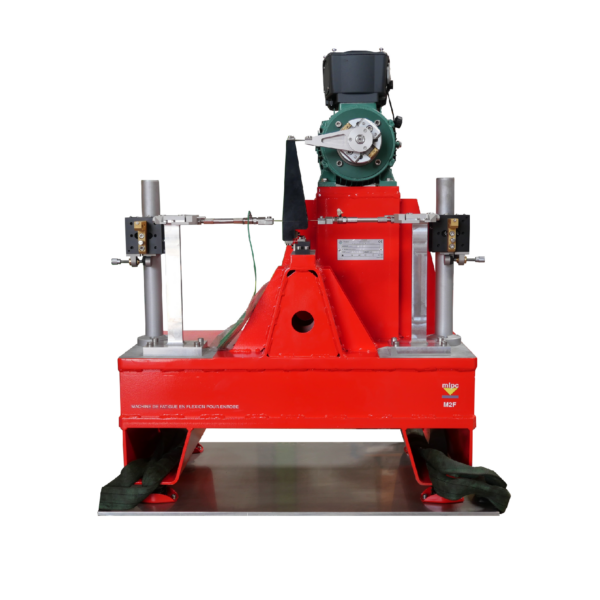
Reference laboratory equipment designed to study the rutting resistance of asphalt mixtures under conditions comparable to those experienced by pavements under traffic, in accordance with standard EN 12697-22.

Two asphalt specimens are simultaneously subjected to repeated passes of a wheel fitted with a pneumatic tire, under a specified load and controlled temperature. The wheel can be fitted with an angle to introduce a lateral slip effect.

Automation reduces the test duration by a factor of three and saves 50% of the operator’s time.

The equipment therefore pays for itself quickly compared with a conventional wheel tracker.

The mlpc® Wheel Tracker has been sold in many units worldwide and is an essential tool for asphalt mix design. The latest generation goes even further: higher temperature capability, full enclosure, and redesigned control and ergonomics to meet the needs of today’s laboratories.

Features

ELECTRIC POWER SUPPLY
Power supply
Three-phase 400 V, 50 Hz ou 60 Hz – 16A
Installed capacity
6 kW

ELECTRIC HEATING
Power supply
Three-phase 400 V
Power
3 kW
Test temperature
Ambiant to 80°C
Warm-up time
~4h to 60°C – programmable
Temperature monitoring
4 probes, mix and air for each specimen

CARRIAGE TRANSLATION
Motor
3 kW
Rated frequency
1 Hz

PNEUMATIC SUPPLY
Nominal pressure
0,7 MPa (7 bar)
Maximum pressure
1 MPa (10 bar)
Flow rate
8 Nl/min continuous (tables loaded, system in control mode) 300 Nl/min peak
Max load
5,5 kN

INTERFACE
Languages
French | English
Graphical touch interface
Integrated
Sample loaded
Facilitated by the translation system
Rutting measurement
15 points: automatic with 3 sensors for each specimen

Highlights

Full automatic testing

→ At each measurement step, without human intervention and in compliance with the standard
→ Uninterrupted sequence of the different steps with improved repeatability of the measurement points positioning

User comfort

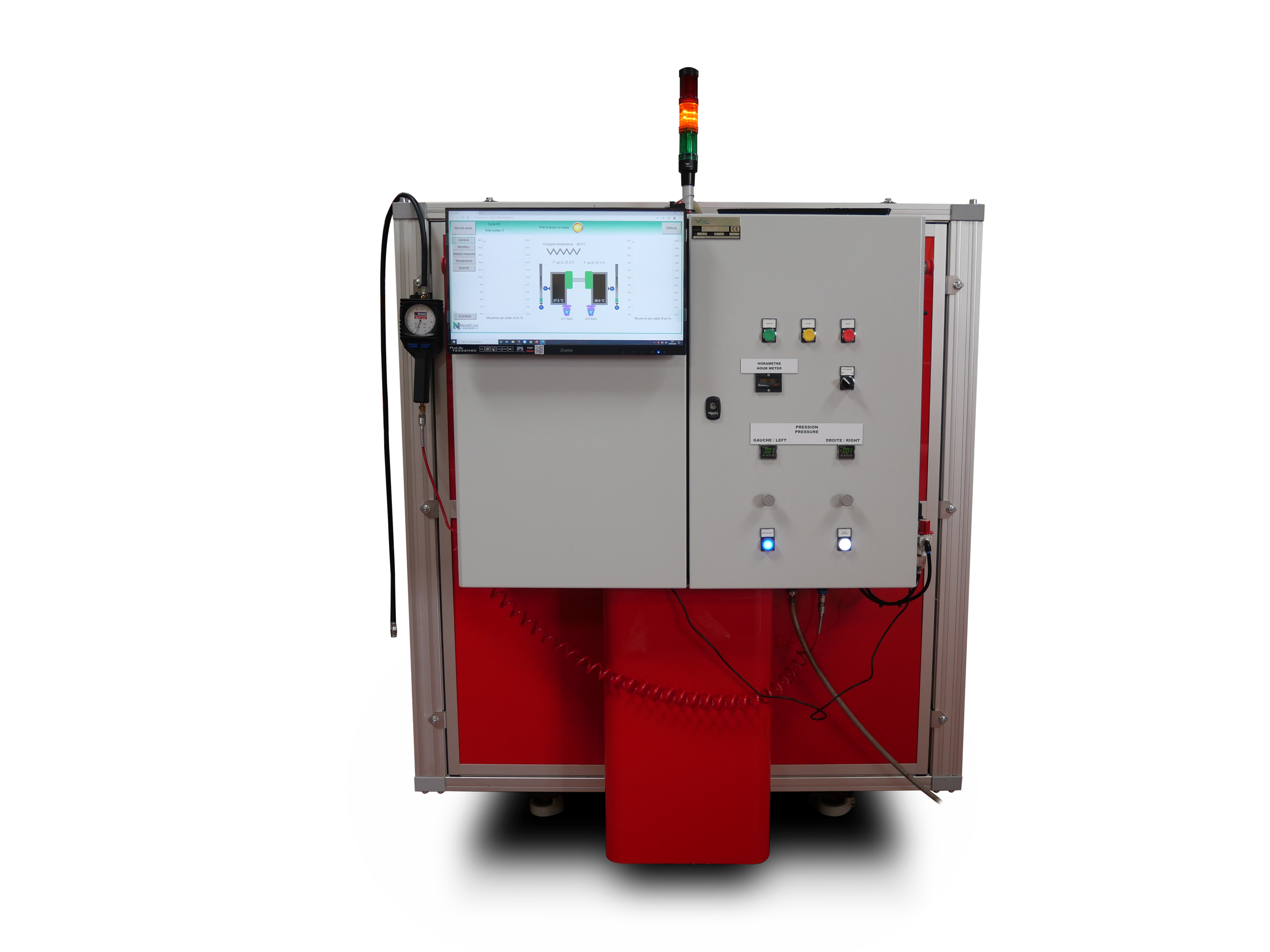
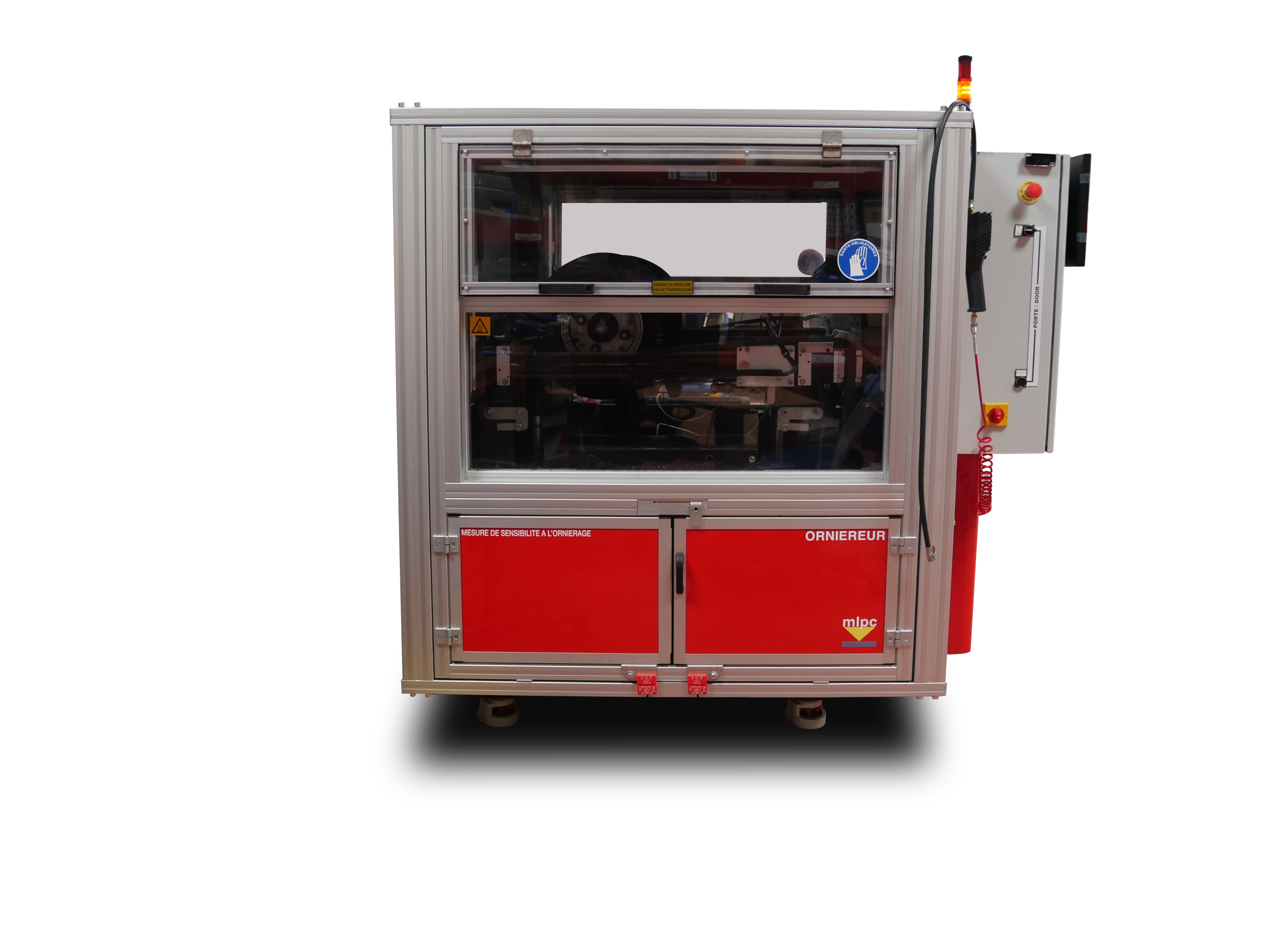
→ Easy use thanks to sliding doors, reduced operating noise, large touch screen, numerous connections
→ Optimal visibility of the test
→ Optimized interface: large touch screen, numerous connectivities
→ Reduced operating noise
→ Supervision by light column

Optimized operator time

→ With automatic measurement, no more need to monitor and intervene at each measurement level.
Focus on the essentials !
→ Can be paused at any time

Energy efficiency

→ A cowling with its reinforced insulation, which limits the heating cycles for the rise of temperature, but also to maintain it throughout the test.
→ The opening of the doors during the test is avoided thanks to the automatic measurement

Configurable

→ Developed to carry out the normative test
→ Possibility of research-type tests thanks to the many parameters included (temperature up to 80°C, number of measurement levels, position of the measurement points, modification of the thresholds, etc.).

Monitoring test parameters

→ A cowling with its reinforced insulation, which limits the heating cycles for the rise of temperature, but also to maintain it throughout the test
→ The opening of the doors during the test is avoided thanks to the automatic measurement

Durability

→ Units with service lives in excess of 20 years in heavy conditions

Ease of maintenance

→ Thanks to the cowling, which can be partially or completely dismantled

Datasheet